Spring in North Texas arrives fast. One week, the air is cool and clear, and the next, cedar, oak, and grass pollen are everywhere.
For many people across the region, that shift brings weeks of itchy, watery, burning eyes, making every morning feel like a battle. What many patients don’t realize is that what looks and feels like a simple allergy reaction is often something more layered, and treating it effectively requires knowing which condition you’re actually dealing with.
Why Spring Allergies and Dry Eye Often Show Up Together
Ocular allergies and dry eye disease share several symptoms: redness, irritation, a gritty sensation, and excessive tearing. That overlap is why patients frequently misdiagnose themselves and reach for the wrong type of drop. But beyond similar symptoms, the two conditions can actively worsen each other.
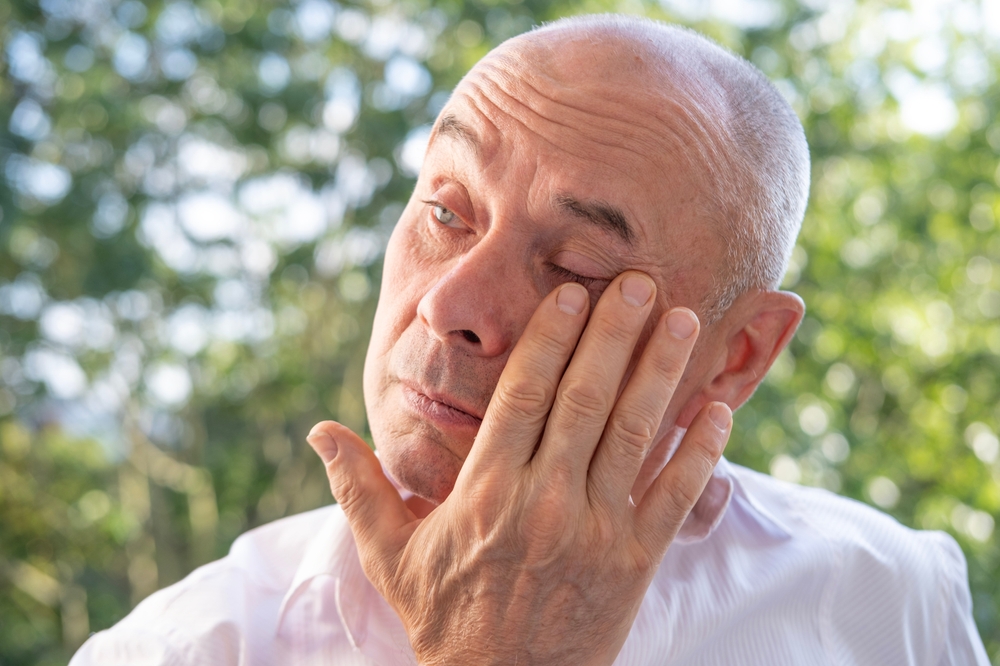
When airborne allergens come into contact with your eyes, the immune system triggers the release of histamine and other inflammatory chemicals. That inflammatory response doesn’t stay contained to the allergy reaction. It also disrupts the meibomian glands along the eyelid margins, which produce the oily layer of the tear film.
When those glands are inflamed or blocked, the tear film becomes unstable, evaporates too quickly, and dry eye symptoms follow. So for many people, allergy season reliably provokes or worsens a dry eye flare.
Allergic Conjunctivitis vs. Dry Eye
Allergic conjunctivitis typically causes intense itching, redness, and watery discharge. The eyes may look puffy, and symptoms often correlate with time outdoors or exposure to a specific allergen.
Dry eye disease, by contrast, usually presents as burning, stinging, a foreign body sensation, or intermittent blurry vision that clears with blinking. Excessive tearing is common with dry eye too, because the eye reflexively produces more tears in response to surface irritation.
Many patients arrive at an eye care office having used antihistamine drops for weeks when their primary issue is actually dry eye. Others have been using artificial tears alone when their symptoms are driven largely by allergic inflammation. An accurate diagnosis before starting any treatment protocol matters more than most people assume.
Over-the-Counter Treatments For Spring Eye Symptoms
OTC options have improved considerably and can provide real relief for mild seasonal symptoms. The main categories worth knowing:
- Antihistamine/mast cell stabilizer drops block histamine receptors and help prevent mast cells from releasing additional inflammatory chemicals. These are well-suited for true allergic conjunctivitis with prominent itching.
- Preservative-free artificial tears lubricate the ocular surface, dilute allergens, and support tear film stability. They work best used frequently throughout the day rather than only when symptoms peak.
- Decongestant drops (those that “get the red out”) should generally be avoided for regular use. They constrict blood vessels to reduce redness but can cause rebound redness and worsen dryness with repeated use.
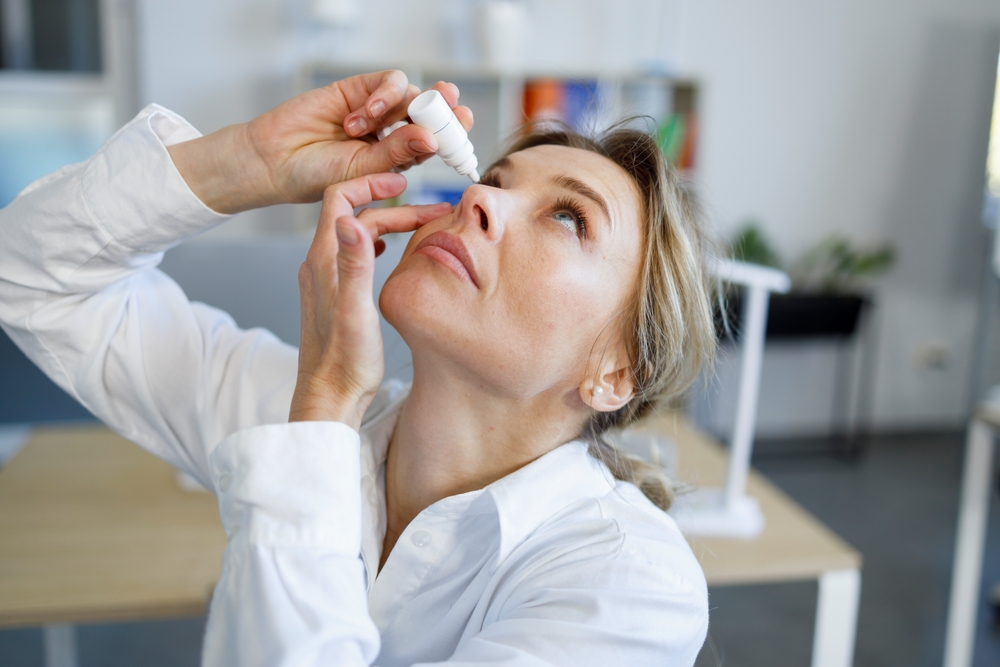
The main limitation with OTC approaches is that they manage symptoms without addressing the underlying cause. For patients with significant meibomian gland dysfunction or moderate-to-severe dry eye disease, over-the-counter drops rarely provide sustained relief.
Prescription Treatments for Dry Eye
When OTC options aren’t enough, prescription medications may be a better option. Patients now have many new and advanced options, depending on the mechanism driving their symptoms.
Anti-Inflammatory Eye Drops
Cyclosporine A (Restasis) was the first prescription dry eye drop approved by the FDA. It works by suppressing T-cell-mediated inflammation on the ocular surface, and for many patients, it gradually improves tear production over several months of consistent use. Cequa, a newer formulation of cyclosporine at a higher concentration, uses a nanomicellar delivery system that improves penetration into the ocular surface tissue.
Xiidra (lifitegrast) takes a different approach, targeting a specific protein interaction that drives the inflammatory cycle in dry eye disease. Some patients respond more quickly to Xiidra than to cyclosporine-based treatments, making it a useful first option when faster symptom relief is a priority.
Approved in 2021, Tyrvaya (varenicline solution) is a nasal spray that stimulates the trigeminal parasympathetic pathway to increase natural tear production. It works on a completely different mechanism than topical drops, which makes it a strong option for patients who haven’t responded well to cyclosporine or lifitegrast, or who prefer to avoid putting drops directly in the eye.
Advanced In-Office Treatments
For patients with moderate to severe dry eye disease driven by meibomian gland dysfunction, in-office procedures can address the root cause in ways that drops simply cannot.
Intense Pulsed Light (IPL) Therapy
IPL therapy uses precise pulses of light delivered to the skin around the eyelids to reduce inflammation in the blood vessels that feed abnormal inflammatory mediators to the meibomian glands. It also directly applies heat to the gland tissue, loosening thickened meibum so the glands can function properly again. IPL typically requires a series of sessions spaced several weeks apart, with many patients experiencing meaningful improvement in tear film stability and symptom reduction after the second or third treatment.
LipiFlow Thermal Pulsation
LipiFlow uses a device placed on the eye that simultaneously applies controlled heat to the inner eyelid surface while pulsing outward pressure. This combination softens and expresses the blocked meibum from the meibomian glands directly. For patients whose dry eye is primarily caused by meibomian gland dysfunction rather than inflammatory disease, LipiFlow can produce significant and lasting improvement, often from a single in-office treatment session.
Punctal Plugs
Punctal plugs are small silicone inserts placed into the tear drainage ducts at the inner corners of the eyelids. By slowing tear drainage, they help maintain a more stable tear film throughout the day. They’re often used alongside prescription drops or IPL rather than as a standalone treatment, and they can be removed if needed.
When to See an Eye Doctor
Persistent eye discomfort through allergy season isn’t just uncomfortable. Chronic ocular surface inflammation, when left unmanaged, can affect the eye conditions that determine long-term visual health, including the corneal surface integrity that affects candidacy for procedures like LASIK down the road. Patients who have tried multiple OTC options without lasting relief, or whose symptoms are significantly affecting daily quality of life, benefit from a comprehensive evaluation that identifies exactly what’s driving their symptoms.
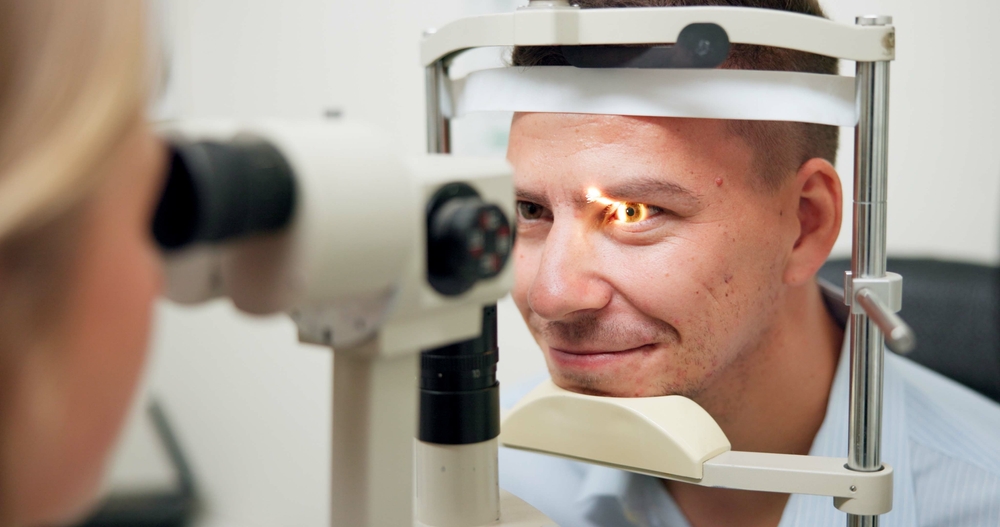
The team at RGB Cataract & LASIK evaluates both the allergic and dry eye components of ocular surface disease, uses diagnostic testing to assess tear film quality and meibomian gland health, and builds treatment plans around what’s actually causing symptoms rather than what seems most convenient to try first.
Not getting relief from drops alone this allergy season? Schedule an appointment at RGB Cataract & LASIK in Sherman, TX.