Most people think of eye color as a matter of appearance, something passed down from a parent and noticed mostly in photographs. Eye doctors, however, have long wondered whether the pigment in the iris does more than decide your eye color.
When it comes to cataracts, the answer appears to be yes, though the effect is not well known and small, if any.
Here is what eye care professionals know about the connection, why it might exist, and which risk factors deserve far more of your attention!
What Happens When a Cataract Forms?
The eye’s natural lens sits just behind the iris, the colored ring that gives your eyes their shade. The lens is made mostly of water and proteins, arranged so that light passes through it cleanly and focuses on the retina. With age, those proteins begin to clump together, and the lens gradually becomes cloudy, yellowed, and stiff. Cataracts usually develop of the course of many years and in the early stages, most people notice nothing at all. However, later, vision can start to look hazy and blurry and impact your day to day activities.
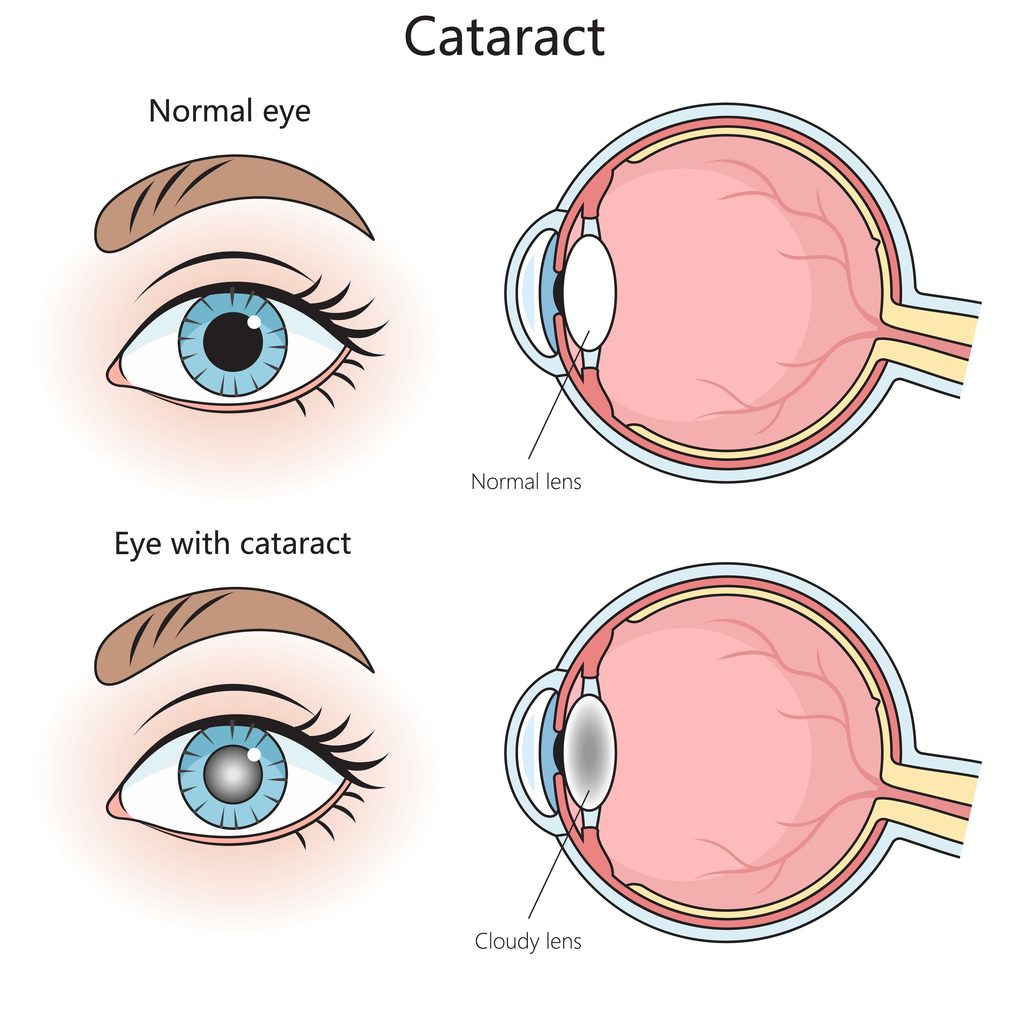
The iris and lens sit very close together, so it’s reasonable to think the iris could affect what the lens. The iris controls how much light enters the eye, and its pigment determines how much of that light gets absorbed along the way.
What Eye Doctors Have Observed About Eye Color and Cataracts
Some eye researchers have followed large groups of older adults over time and noticed a fairly consistent pattern. People with dark brown eyes tend to develop certain types of cataracts somewhat more often than people with blue or lighter-colored eyes. However, the difference is not significant. Plenty of people with brown eyes never develop significant cataracts until late in life, and many blue-eyed people need cataract surgery in their sixties.
Which Types of Cataracts Are Involved
The link seems strongest for two types.
Nuclear cataracts form in the center of the lens and slowly harden and yellow it. They are the most common age-related type, and they often make colors look duller and distance vision less sharp.
Posterior subcapsular cataracts form on the back surface of the lens. They tend to progress faster and can cause trouble with reading, bright light, and glare from oncoming headlights.
People with darker irises also appear somewhat more likely to need cataract surgery later in life.
Why Darker Eyes Might Carry More Risk
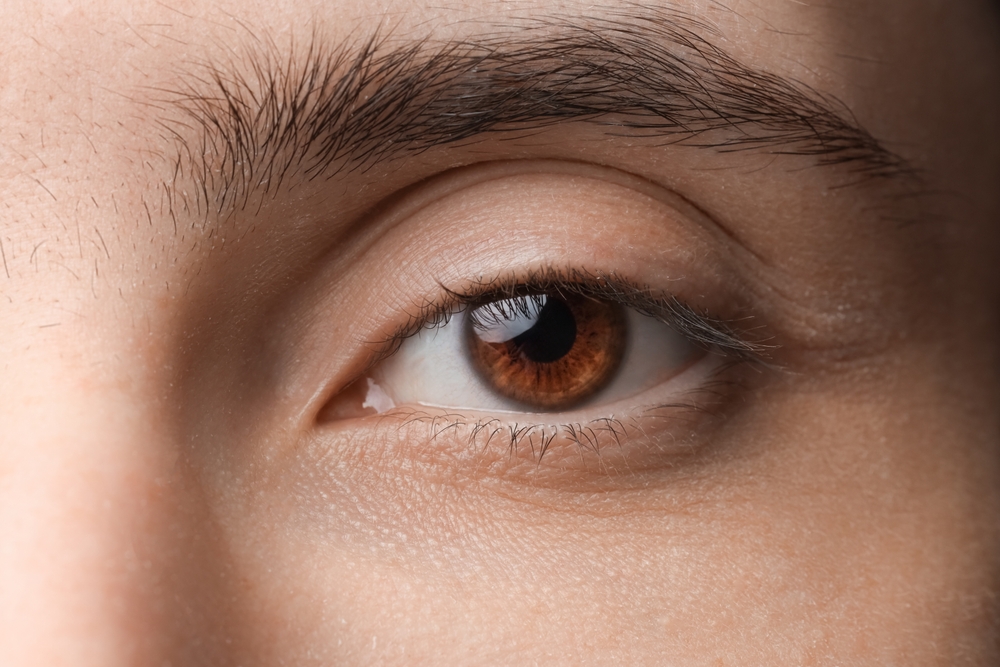
Brown eyes contain more melanin, the same pigment that colors skin and hair. Melanin absorbs light, including some of the heat energy carried by sunlight. The leading explanation is that a darker iris absorbs more of this energy and slightly warms nearby tissue, including the lens. Heat and ultraviolet light are both known contributors to cataract formation. Over decades of ordinary sun exposure, small differences in heat absorption could add up.
This explanation has not been fully proven. Darker eye colors are also more common in parts of the world with stronger year-round sunlight. That overlap makes it hard to tell how much of the added risk comes from eye color itself and how much comes from sun exposure.
Lighter Eyes Carry Their Own Trade-Offs
Blue, green, and gray eyes have less pigment, so more light passes through the iris and reaches the back of the eye.
Lighter eye color has also been linked, though less consistently, to a higher risk of macular degeneration. This condition damages the macula, the central part of the retina responsible for sharp, detailed vision. People with light eyes also tend to be more sensitive to bright sunlight and glare.
No eye color offers complete protection, which is one reason regular eye exams matter no matter what shade your eyes are.
Risk Factors That Matter More Than Eye Color
Compared with other risk factors, eye color plays a small part.
Several of the following have a much larger influence on when and how cataracts develop.

- Age is by far the biggest factor. Most people will develop some degree of lens clouding if they live long enough.
- Ultraviolet exposure adds up over years of unprotected time in the sun, regardless of eye color.
- Smoking speeds up changes in the lens and is linked to earlier cataract development.
- Diabetes that is long-standing alters the chemistry of the lens and can cause cataracts to form at a younger age.
- Long-term steroid use, whether oral, inhaled, or in eye drops, is associated with posterior subcapsular cataracts.
- Eye injury or previous eye surgery can trigger cataract formation, sometimes years later.
- Family history may signal a higher inherited risk, especially when parents or siblings developed cataracts early.
You cannot change your eye color or your age. You can quit smoking, keep diabetes well controlled, and protect your eyes from the sun, and each of those steps has a meaningful effect on lens health.
When Cataracts Begin Affecting Your Vision
Once cataracts start to interfere with your vision, you might notice halos around headlights at night, colors that look washed out, a need for brighter light when reading, or prescription changes that come more often than they used to. A comprehensive eye exam can confirm whether a cataract is the cause and how far it has progressed.
Eye color doesn’t change how cataracts are treated and the right time for surgery usually depends on how much the cataract interferes with daily activities such as driving, reading, or working.
Wondering how your eye color and other risk factors affect your cataract risk? Schedule an appointment at RGB Cataract & LASIK in Paris, TX.