For a large portion of patients, the dry eye problem starts at the eyelids, where tiny oil glands stop working the way they should. Intense pulsed light therapy, or IPL, is an in-office treatment that targets that underlying issue instead of only the surface symptoms.
Here is how it works and why an eye doctor might recommend it.
What Do The Eyelids Have to Do With Dry Eye?
A healthy tear film has three layers: a mucus base, a watery middle, and an oily outer layer that keeps tears from evaporating too quickly.
That oil comes from the meibomian glands, dozens of tiny glands packed along each eyelid margin. When they clog or thicken, the oil either trickles out poorly or stops flowing altogether. Tears then evaporate faster than the eye can replace them, and the surface is left dry, gritty, and irritated.

This pattern is called meibomian gland dysfunction (MGD), and it drives most chronic dry eye cases. Eyes that burn, water excessively, blur on and off, and feel worse after screen time, yet barely improve with lubricating drops, are often a symptom of MGD. While drops add moisture, they cannot restart a stalled oil gland.
IPL was adapted for eye care specifically to work on that mechanical and inflammatory problem.
What IPL Actually Does
IPL began as a dermatology tool for rosacea and facial redness, and clinicians noticed that patients treated around the eyes often reported their dry eye easing as well. That observation is what carried the technology into eye care.
In practice, IPL delivers precise pulses of broad-spectrum light to the skin across the cheeks, nose, and lower eyelids. That light is absorbed by pigment and by the walls of small, abnormal blood vessels that tend to develop around chronically inflamed eyelids.
During the process, several things happen at once. The energy warms the eyelid tissue and the meibomian glands beneath it, softening the hardened, toothpaste-like oil so it can move again. It also closes off those abnormal surface vessels, which feed a steady stream of inflammatory signals that keep the glands irritated. IPL reduces the population of Demodex mites and bacteria along the lash line that add to inflammation as well. After the light portion, the doctor usually expresses the glands by hand, gently pressing the newly softened oil out so the glands can return to a normal flow.
These changes build gradually, which is why IPL is delivered as a planned series instead of a single visit.
Who is a Good Candidate for IPL for Dry Eye?
IPL is aimed at evaporative dry eye driven by gland dysfunction, not every version of the condition. Patients who respond well often share a few traits:

- Long-standing dry eye that has not improved with drops, warm compresses, or lid hygiene alone
- Signs of meibomian gland dysfunction or blepharitis on examination
- Rosacea or facial flushing, which frequently travels alongside eyelid inflammation
Because the treatment interacts with skin pigment, your doctor assesses your skin tone and recent sun exposure before starting, and adjusts the settings accordingly. Patients with certain skin conditions, a history of light-sensitive medication use, or specific pigmentation may need an alternative approach.
A thorough evaluation by your eye doctor can help sort out whether IPL is a good fit or whether another therapy makes more sense.
What IPL Treatment and Recovery Look Like
An IPL session is quick, usually well under half an hour, and most patients describe it as a warm snap against the skin rather than anything painful. Protective shields cover the eyes throughout, a cooling gel goes on first, and there is no downtime afterward, though skin may look slightly flushed for a short while.
Results accumulate over the course of multiple treatments. Most doctors recommend a minimum of four treatments spaced across about three months, since each session builds on the gland improvement from the last.
Many patients then return for a single maintenance treatment every six to twelve months to hold their gains, because gland dysfunction is a chronic condition rather than a one-time event. Comfort, redness, and tear quality tend to improve steadily across the series instead of overnight.
How IPL Fits With Other Dry Eye Treatments
IPL is one option among the in-office treatments and procedures your eye doctor can combine based on what an exam reveals.
Thermal devices such as iLux or MiBo Thermoflo apply heat and compression to clear glands, punctal plugs slow tear drainage to keep more moisture on the eye, and prescription drops calm inflammation on the ocular surface. Nutritional support and daily lid hygiene round out the plan. IPL handles the gland and inflammation side of the equation, while these other measures cover the pieces it does not.
Untreated dry eye carries real risks. A poor tear film leaves the surface vulnerable to inflammation, infection, and corneal damage over time. That is reason enough to have persistent symptoms checked rather than cycling through drugstore drops indefinitely, especially when the underlying cause responds to targeted treatment.
Getting an Accurate Diagnosis First
The value of IPL depends entirely on matching it to the right problem. A careful workup measures tear volume and quality, times how quickly the tears evaporate, and examines the meibomian glands directly to see how many are still working. Dry eye is one of several eye conditions that look similar on the surface but call for different treatments, so that picture is what determines whether IPL belongs in your plan and how it should be paired with other therapies. If your symptoms have stuck around for months, an in-office dry eye evaluation is the place to start.
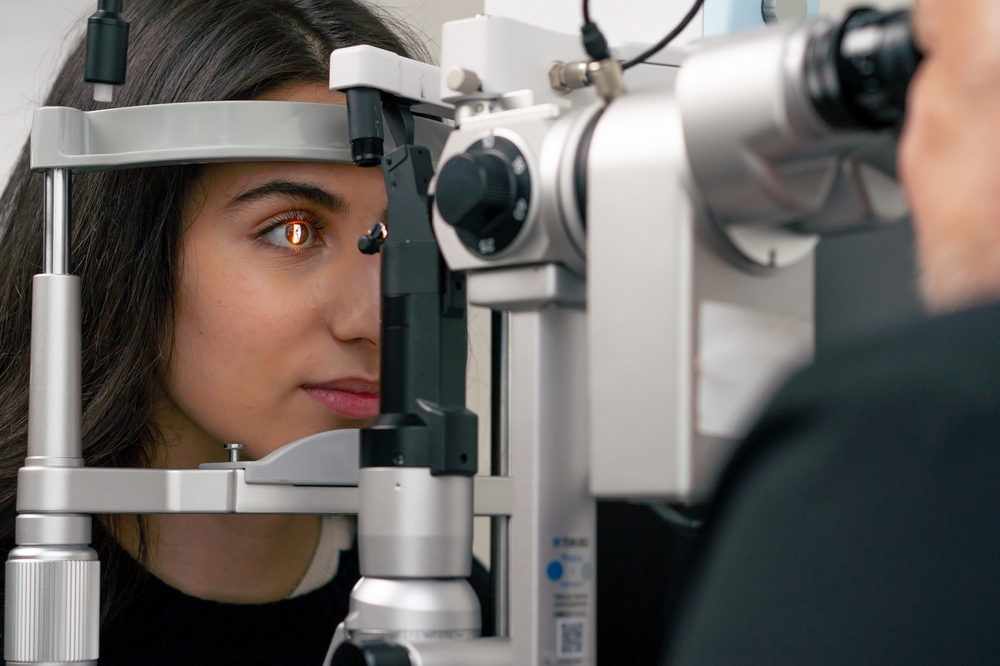
Tired of dry eye symptoms that drops alone can’t control? Schedule an appointment at RGB Cataract & LASIK in Sherman, TX.